
انجمن تغذیه دام-طیور و آبزیان کرمان

درباره سایت
آخرین مطالب
- کنترل مداوم و پایش مصرف آب در دامداری ها و مزارع پرورشی طیور
- نمره وضعیت بدنی در سگ و گربه
- Supplemental Bacillus subtilis DSM 32315 modulates intestinal structure, microbial composition and i
- Organic Acids - A Review
- Effect of omega fatty acids sources alone or combined with essential oils on feed intake, apparent d
- Effects of fiber type, particle size, and inclusion level on the growth performance, digestive organ
- بولتن انجمن(پاییز 1402- شماره 30)
- علوفه سورگوم در تغذیه دام
- کاربرد عصاره تفاله پوست انار در تغذیه دام
- Effect of NDF levels of complete pelleted diet and dietary transition period on rumen pH, growth per
امکانات وب
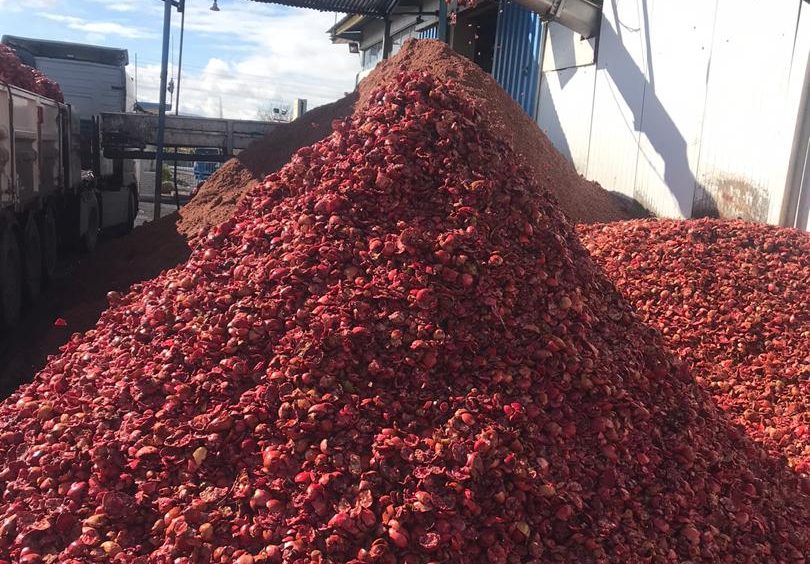 در اغلب بررسی های علمی، نتایج انجام آزمایشات مزرعه ای بر روی مواد خوراکی حاوی تانن ها و سایر ترکیبات فنلیک بر روی عملکرد دامهای نشخوارکننده ضد و نقیض هستند ولی با توجه به تولید بالای بقایا و ضایعات کشاورزی در ایران از آنها می توان در صنعت خوراک دام استفاده نمود. از این مواد اولیه ارزان قیمت با رعایت حد مجاز مصرف در فرمولاسیون جیره های غذایی دامها در استان های کشور استفاده می شود.https://tofaleh.ir/wp-content/uploads/2021/08/%D8%AA%D9%81%D8%A7%D9%84%D9%87-%D8%AA%D8%B1-%D9%BE%D9%88%D8%B3%D8%AA-%D8%A7%D9%86%D8%A7%D8%B1-e1628239352928.jpgتفاله انار در بسیاری از کارخانجات صنایع غذایی بعد از درجه بندی و فرآوری شدن برای تهیه رب، آب انار و غیره به صورت محصول فرعی تولید می شود که نیازمند خشک کردن یا سیلوکردن با مواد خشبی جهت استفاده در جیره غذایی دامهای نشخوارکننده می باشد.https://s29.picofile.com/file/8463907950/%D9%85%D8%AA%D8%A7%D8%A8%D9%88%D9%84%DB%8C%D8%AA_%D8%AB%D8%A7%D9%86%D9%88%DB%8C%D9%87_%D8%AF%D8%B1_%D8%AA%D9%81%D8%A7%D9%84%D9%87_%D8%A7%D9%86%D8%A7%D8%B1.jpgدر آزمایشی از محصول عصاره پوست انار در سطوح 400، 800 و 1200 میلی لیتر بازای هر رأس گاو شیری هلشتاین در روز استفاده شد . نتایج حاصل از این طرح، اثرات مثبت استفاده از ترکیبات ثانویه در پوست انار جهت کاهش ازت آمونیاکی و کاهش جمعیت پروتوزوآی شکمبه و افزایش تولید پروتئین میکربی و افزایش تولید شیر را نشان داد. Nutrient digestion, ruminal fermentation and performanceof dairy cows fed pomegranate peel extractM.J. Abarghuei a, Y. Rouzbehan a,n, A.Z.M. Salem b,c, M.J. Zamiri da Animal Science Department, Faculty of Agriculture, Ta
برچسب:
نویسنده: آرین صالحپور
Effect of NDF levels of complete pelleted diet and dietary transition period on rumen pH, growth per
 منبع:https://www.sciencedirect.com/science/article/abs/pii/S0921448823001359?dgcid=raven_sd_aip_emailhttps://www.dairynz.co.nz/media/5790741/technote-8_web.pdfhttps://www.dairynz.co.nz/media/5791968/fibre-saliva-ph.png?anchor=center&mode=crop&width=862&heightratio=0&d=1691364159&format=webphttps://www.feedandadditive.com/wp-content/uploads/Tuing-fiber-into-milk.jpg :دریافت عکس از شکمبهAbstractThis study aimed to evaluate the effects of low and high NDF levels in complete pelleted diets (CPD) on early diet transition in fattening male goats. Forty male goats were blocked by their initial body weights (BW), and within each block, animals were randomly assigned to one of the four diets using a randomized complete block design. The treatments were arranged in a 2×2 factorial comprising of two levels of NDF (20.2% and 32%) and two diet transition strategies (day 7 and 15). All the diets were iso-nitrogenous, having a 15:85 forage-to-concentrate ratio. In the high NDF diet, a higher level of 32% was achieved by replacing co grain with soy hulls and wheat bran. The goats were housed individually and had ad libitum access to feed and water. During the transition phase, conventional feeding was replaced by the CPD in three steps, and thereafter, all animals had free choice access to their respective diets. Body weight and blood samples were conducted weekly, while rumen samples were collected on day 0, 7 and 15, and then fortnightly. Feeding behavior data wa
برچسب:
نویسنده: آرین صالحپور
 14 February 2023Ruminants have the unique ability to release energy from plant fiber thanks to the fermentative activity of the rumen. The fiber components, and the subsequent production of volatile fatty acids (VFAs), provide the majority of the energy for the ruminant. Better understanding of how fiber is degraded in the rumen helps identify the levers that can help make sure fiber is no longer an untapped energy source.Aurélien PironRuminant Technical ManagerLallemand Animal Nutrition – FranceTURNING FIBER INTO MILKFiber is slowly degraded in the rumen due to its physical structure and the lignin cross-linking that holds the fiber intact. Fiber degradation in the rumen is influenced by:• The anatomy of the fiber (pectin, hemicellulose and cellulose concentration), which is related to species• Lignin content and structure (maturity, species, stressors, etc.)• Particle size• Passage rate (highly influenced by particle size, uNDF, DMI) and its impact on rumen dynamics• Cud-chewing and ruminal contractions• Rumen microbial population (microbiome) influenced by several factors (diet, environment)The ruminant reduces the particle size of the forage through the eating process via initial mastication (chewing). These particles are swallowed and float to the top of the rumen mass. The particles are then regurgitated and rechewed (cud-chewing) to increase moisture content and surface area of the material as well as to abrade the fibrous portion.After initial mechanical abrasion of f
برچسب:
نویسنده: آرین صالحپور